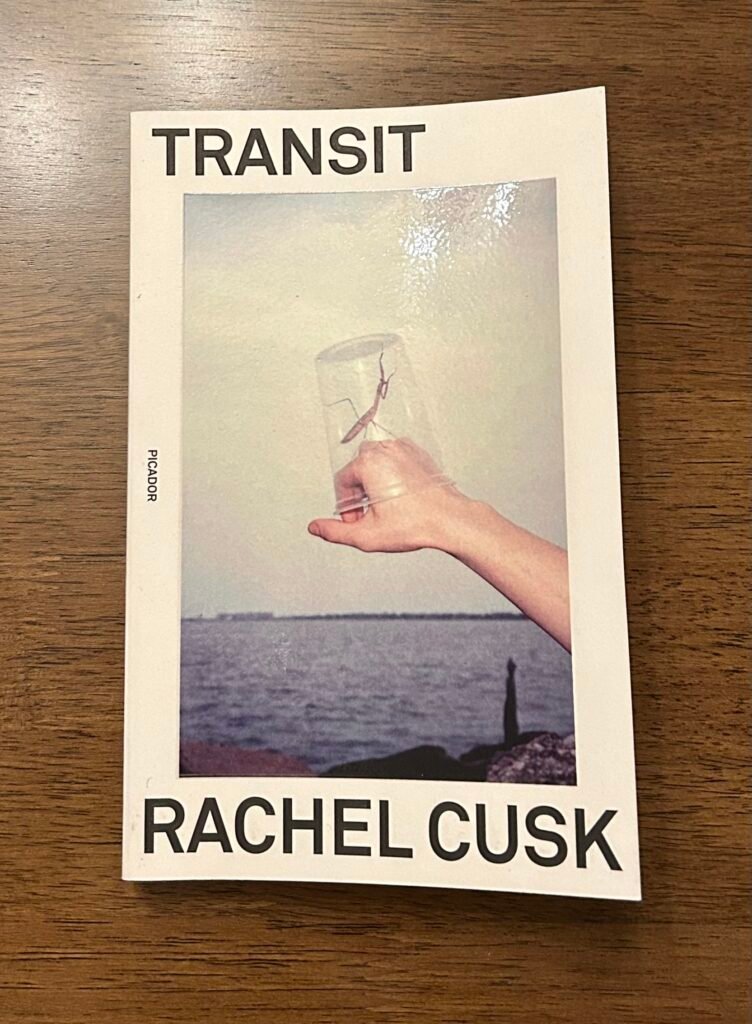
Seemingly unconnected, these are two novels about fate and how the past can carry on into new stages of life.
“Outline” provides snapshots (several loosely collected dialogues) of a woman’s life after a divorce, largely focusing on a home renovation. The novel concerns figuring out how to think of oneself while moving out of the more standardized structures of marriage and the conventional family structure. Among many of the conversations, family and a sense of home are recurrent and often “nontraditional” in dealing with issues of immigration and homosexuality–many people move away in order to define the life they feel is right while the author lacks this sort of narrative.
The other primary focus is the helplessness of feeling that nothing is going according to plan. There is an instinct to assign meaning and structure to everything that happens or turn much of it into fate. But yielding to some greater narrative leads to a stifling passivity where pressure grows and erodes relationships. While nearly coming to resign to feeling like fate is against her, the narrator comes to see the actions of her builder and her cousin through their acting against bad situations (for better or worse).
Maybe this lacks the newness of reading “Outline,” the first novel in this trilogy but this felt more interesting than exciting. There is always some challenge moral ambiguity of the characters and (I guess intentional) passivity of the narrator which somewhat reduce many feelings of connection to the characters. But Cusk provides a lot to chew on in every chapter and different part to come back to. I do expect to finish the series with “Kudos” soon.
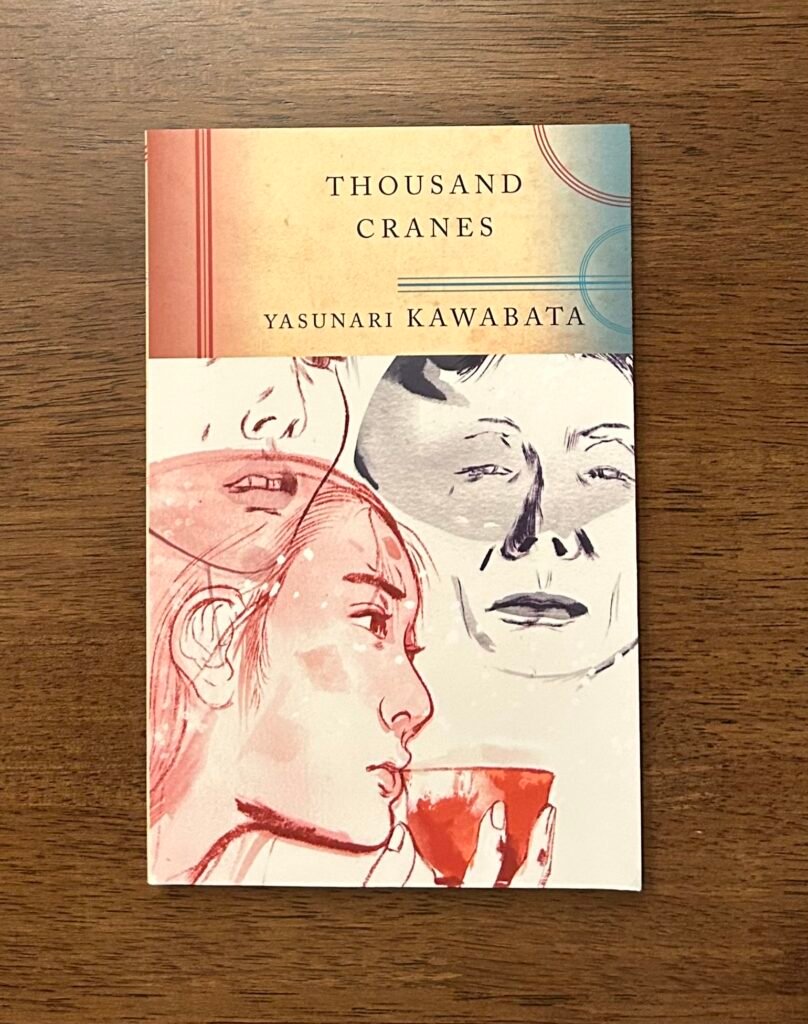
“Thousand Cranes” spends a short period of time with a young bachelor, Kikuji, after the death of his mother and while a marriage is being arranged for him by his father’s former mistress, Chikako. Chikako, effectively a stand-in for a parent, tries to shape Kikuji’s life to resemble his father’s in lifestyle and dedication to the tea ceremony (largely alluded to through the repeated use of inherited tea bowls). However, Kikuji falls in love with his father’s second mistress and then her daughter.
Tensions arise as Kikuji becomes his father’s surrogate for the continuation of conflict between two mistresses. However, this is not a dramatic novella about the tensions themselves but rather about several people trying to live through nostalgia and find some continued meaning in past conflict now that the object at the center of the conflict is gone.
I didn’t enjoy this as much as “Snow Country” which was really very good and a little more subtle at times (although it also focused on relationships with mistresses). So maybe “Sound of the Mountain” at some point when I come across a copy.
Leave a Reply