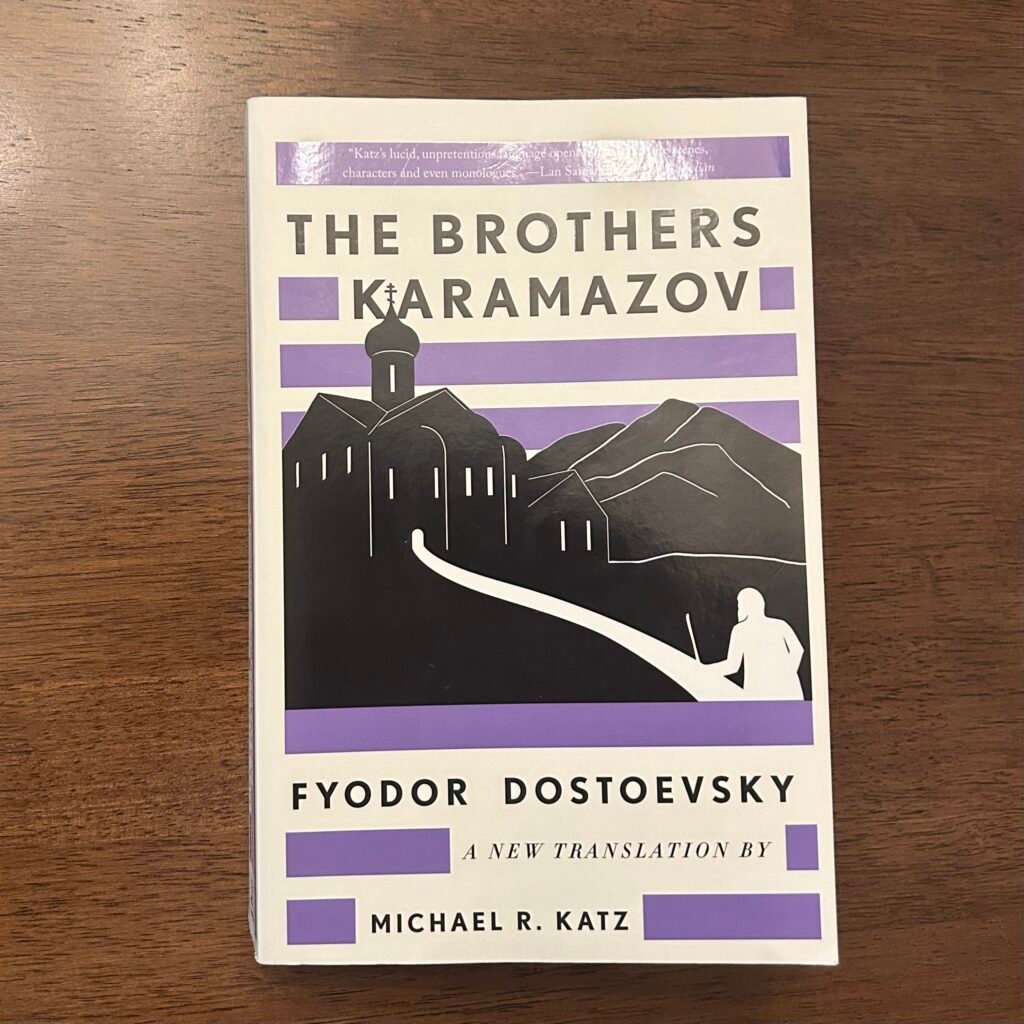
The greatest novel ever written? Hardly the greatest novel that Dostoevsky wrote.
In many ways the 900 page length was too short as many of his ideas from previous works are represented here in somewhat shortened form and the plot is substantial. What is relatively missing are the characters who feel somewhat underdeveloped. Alyosha is not quite a Prince Mishkin, Ivan is no Stepan (and really barely present), and Dmitri is neither Raskolnikov or Rogozhin but the brothers all feel quite similar to characters in earlier works with a bit less development.
This is not to say that it’s bad as it’s deserved its place in the cannon of Russian literature. However, after reading the rest of Dostoevsky’s major works, this just feels like many of the ideas are jammed into one novel that doesn’t develop them as well as the others independently. Along with the slightly flat characters, this novel just feels a little too short to cover everything.
This completes my reading of Dostoevsky’s majors works and leaves me with “Poor Folk” and “The Gambler” among other notable works. My favorites among these remain Crime and Punishment (a nearly perfect novel with a lot of psychological insight but few ideas) and The Idiot (a novel of ideas and one of the clearest examples of Dostoevsky’s later thinking, particularly about Christianity).
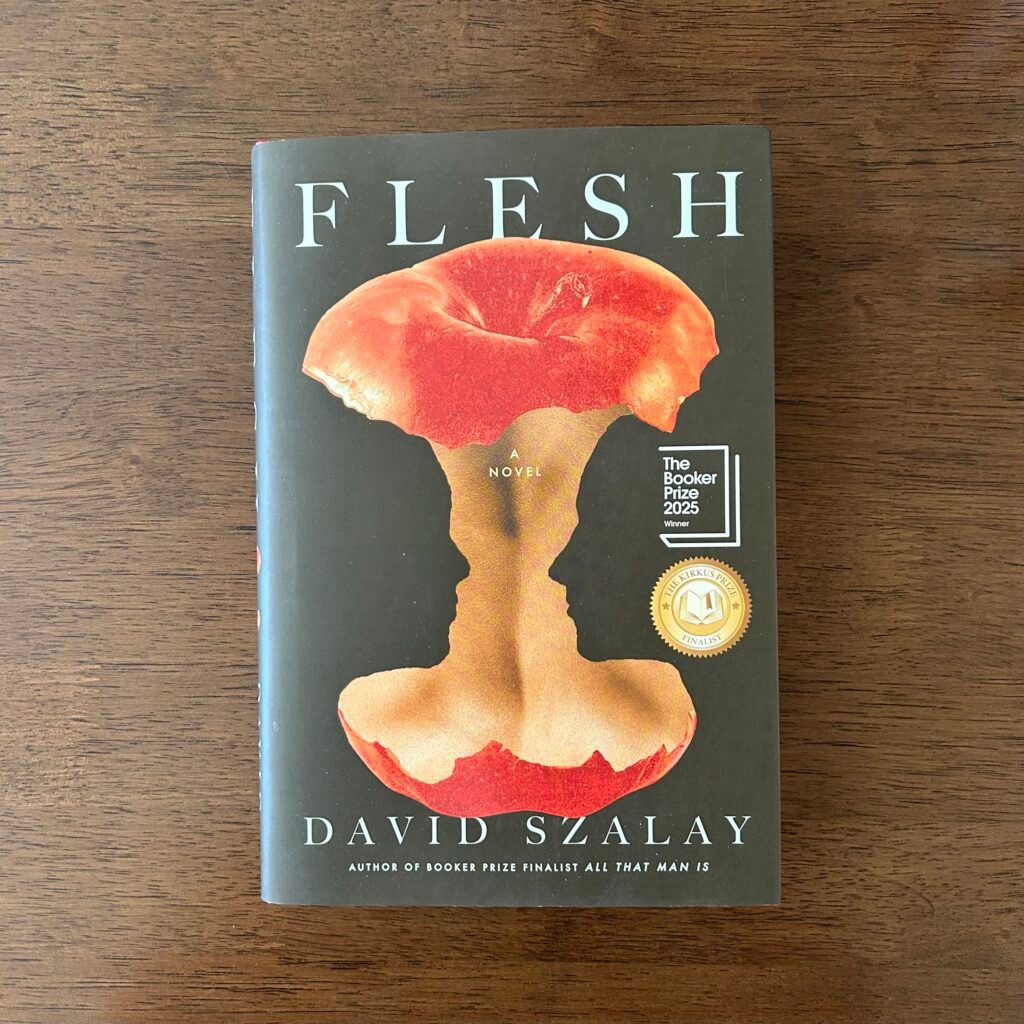
I’m biased from knowing a Szalay or two and seeing that it won a Booker prize I decided to pick it up.
It’s…fine? A novel about a man who has no idea what he wants beyond survival across many periods of his life. Written in some Hemingway meets Houellebecq meets “Saltburn” way, it doesn’t quite feel realized.
Maybe it’s Houellebecq more a more mass-market audience? There’s plenty to be uncomfortable with but it lacks much substance that the creepy old man Michel provides plenty of. In fact, this seems like an odd choice for a Booker which I tend to associate with ambitious writing (often too much for me). It’s fine.
Kudos to whomever at Scribner handled the marketing because it seems to hit on so many timely topics of (toxic?) masculinity, trauma, dissociation, etc in a way that was made to seem to relevant that even Dua Lipa couldn’t resist. But it just didn’t seem to add much to the conversation that was needed in 2025? Who knows
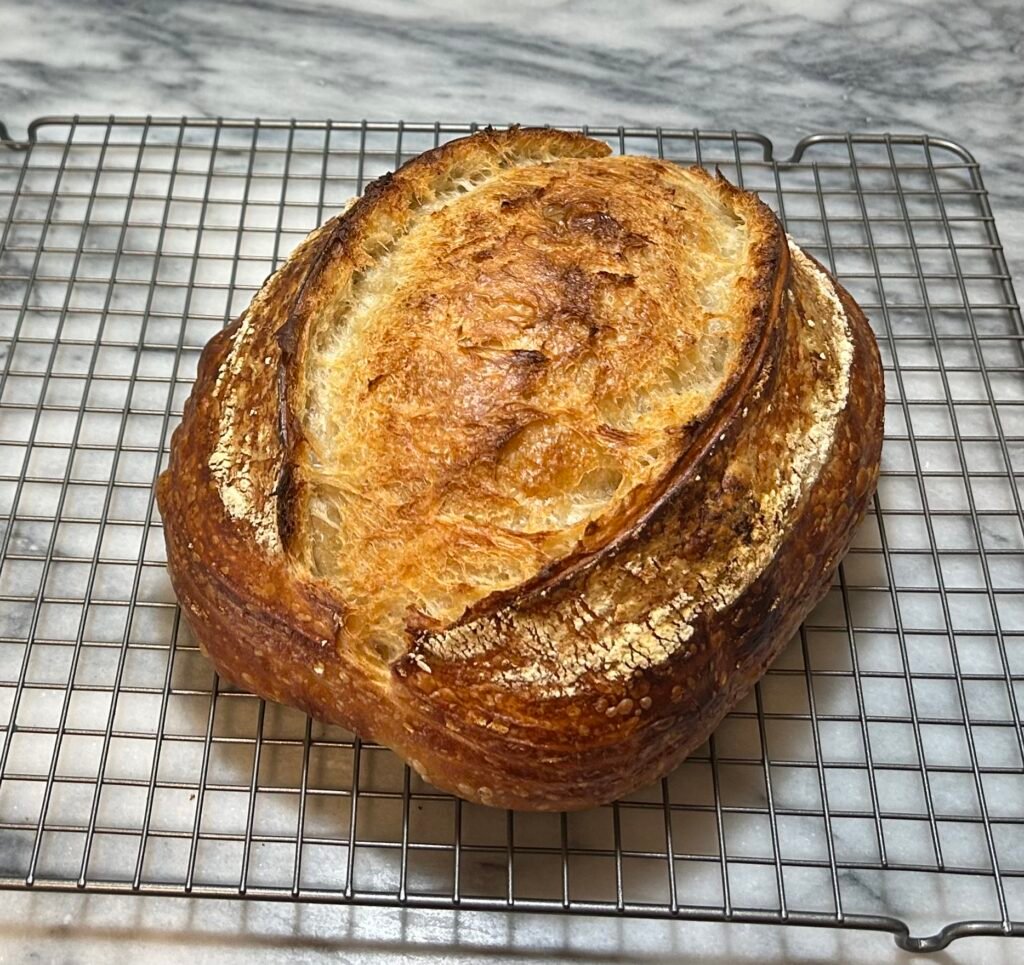
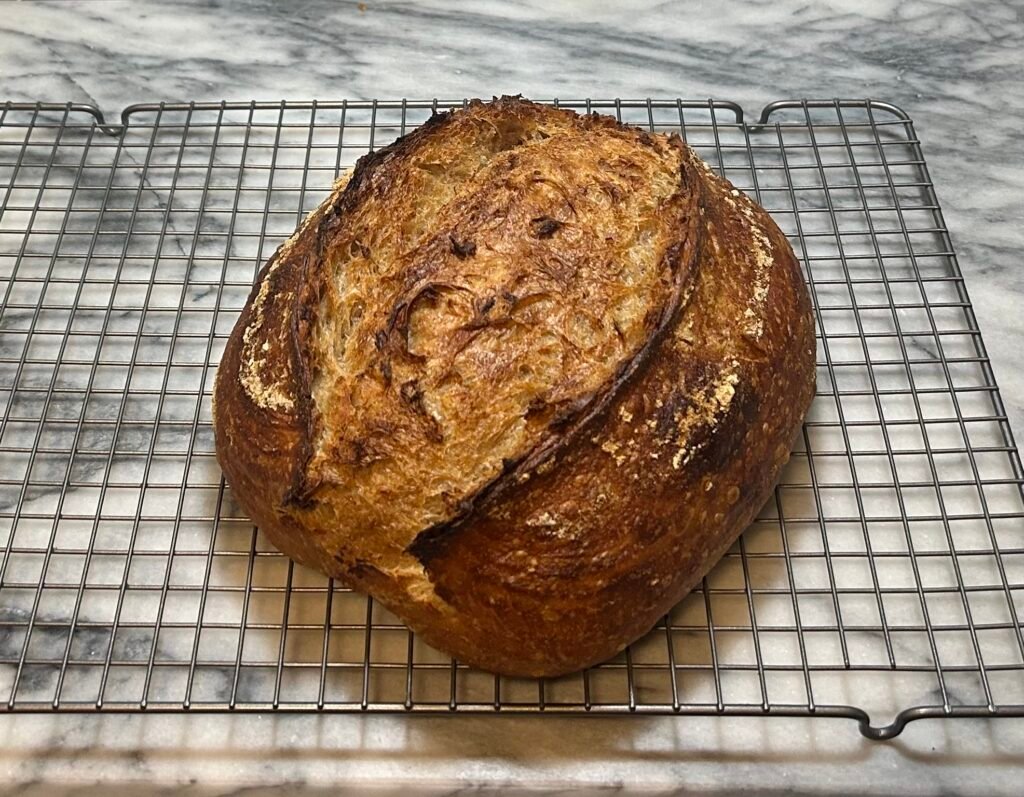
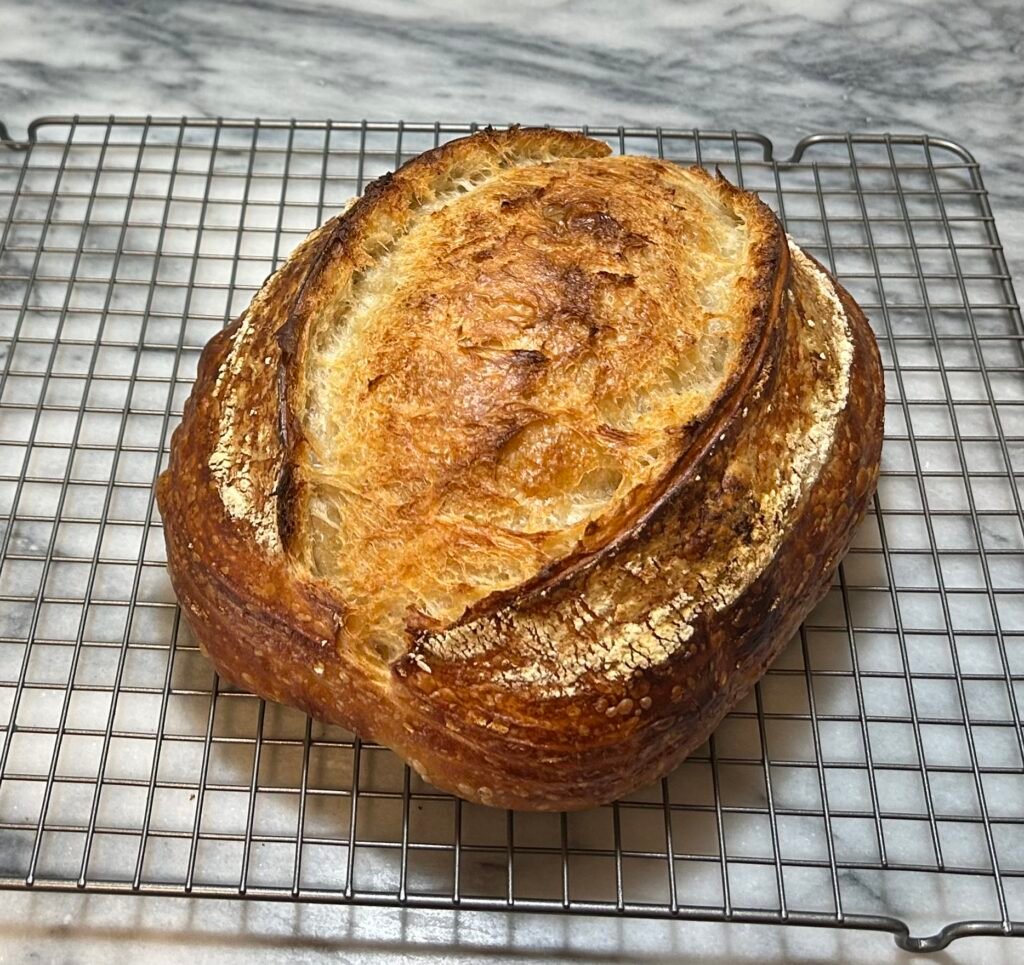
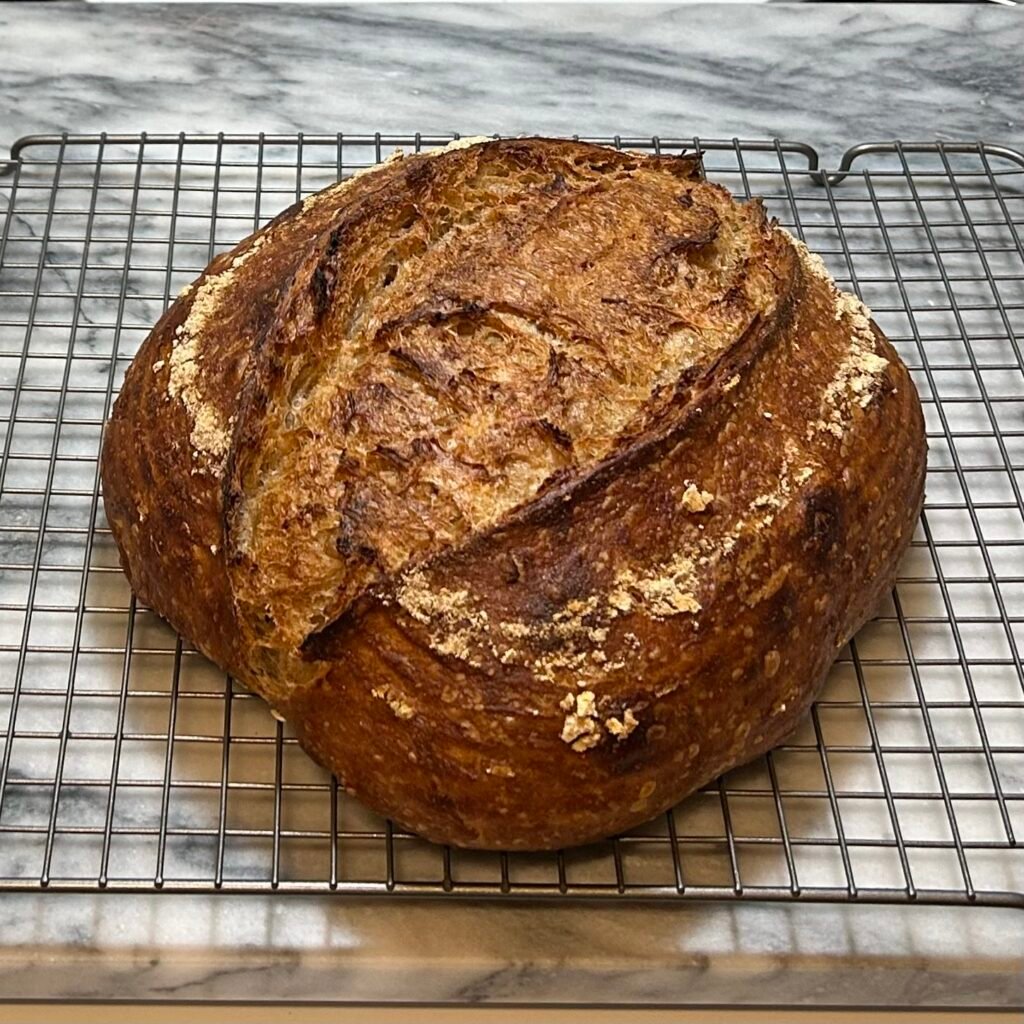
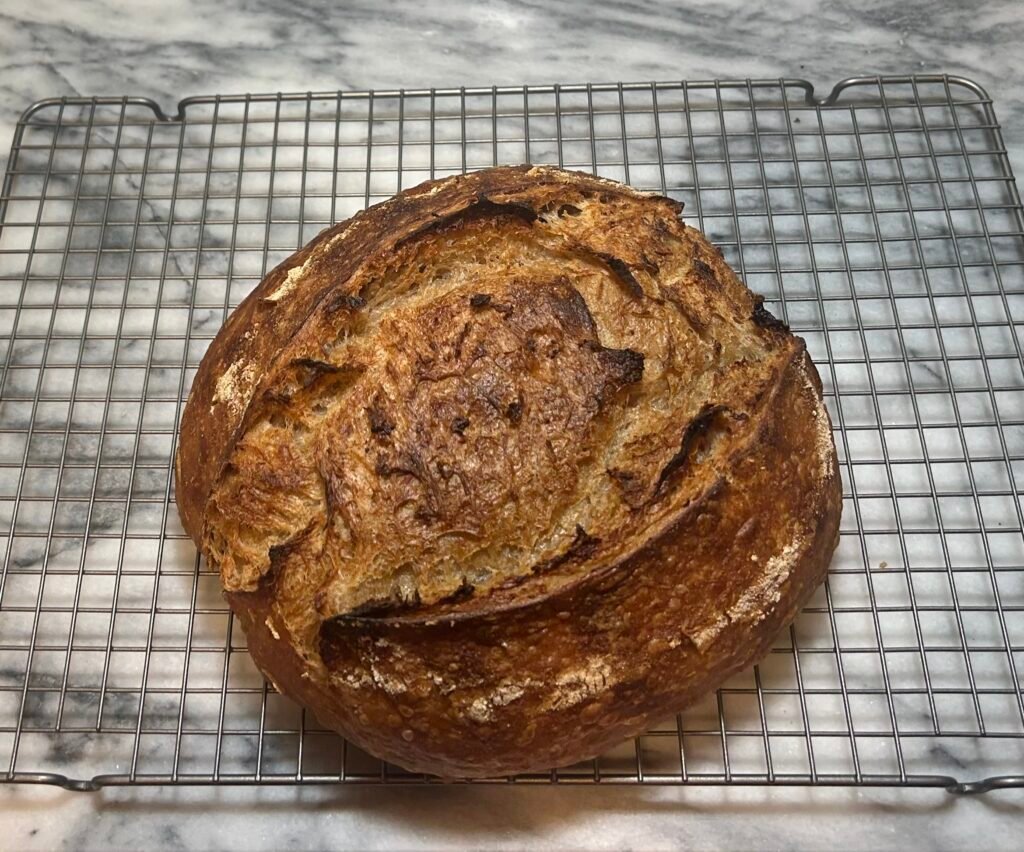
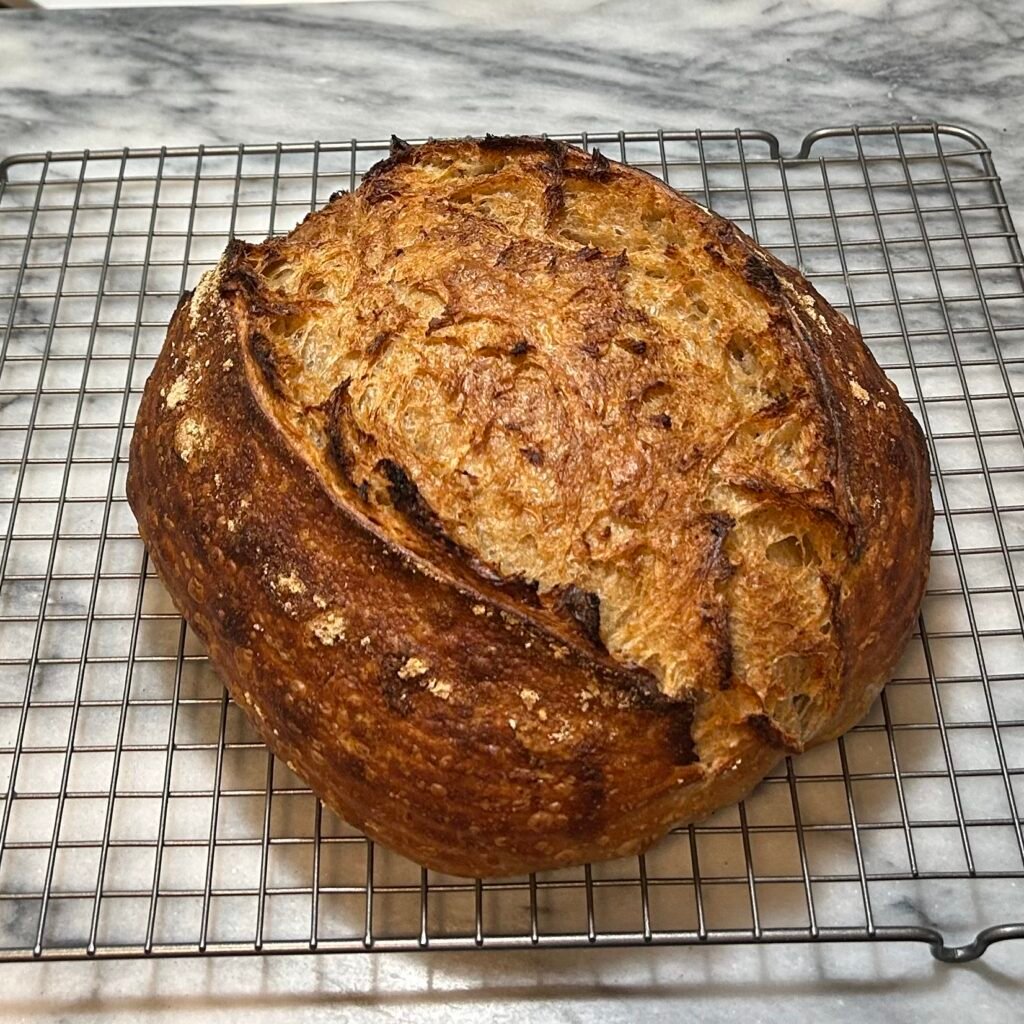
I can’t say for sure if I’ve baked a loaf of sourdough without some amount of whole wheat or rye flour, but as I ran into the dregs of a bag of whole wheat–why not? 100% King Arthur bread flour and nothing else! A pretty loaf and an easy dough to work with (I’d forgotten).
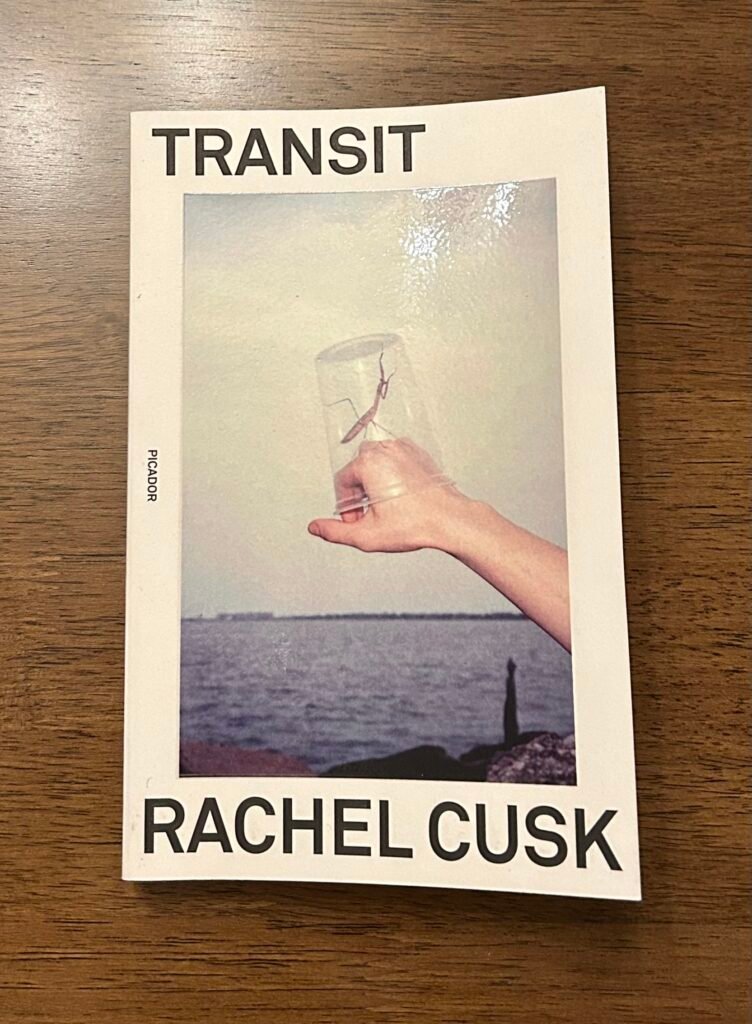
Seemingly unconnected, these are two novels about fate and how the past can carry on into new stages of life.
“Outline” provides snapshots (several loosely collected dialogues) of a woman’s life after a divorce, largely focusing on a home renovation. The novel concerns figuring out how to think of oneself while moving out of the more standardized structures of marriage and the conventional family structure. Among many of the conversations, family and a sense of home are recurrent and often “nontraditional” in dealing with issues of immigration and homosexuality–many people move away in order to define the life they feel is right while the author lacks this sort of narrative.
The other primary focus is the helplessness of feeling that nothing is going according to plan. There is an instinct to assign meaning and structure to everything that happens or turn much of it into fate. But yielding to some greater narrative leads to a stifling passivity where pressure grows and erodes relationships. While nearly coming to resign to feeling like fate is against her, the narrator comes to see the actions of her builder and her cousin through their acting against bad situations (for better or worse).
Maybe this lacks the newness of reading “Outline,” the first novel in this trilogy but this felt more interesting than exciting. There is always some challenge moral ambiguity of the characters and (I guess intentional) passivity of the narrator which somewhat reduce many feelings of connection to the characters. But Cusk provides a lot to chew on in every chapter and different part to come back to. I do expect to finish the series with “Kudos” soon.
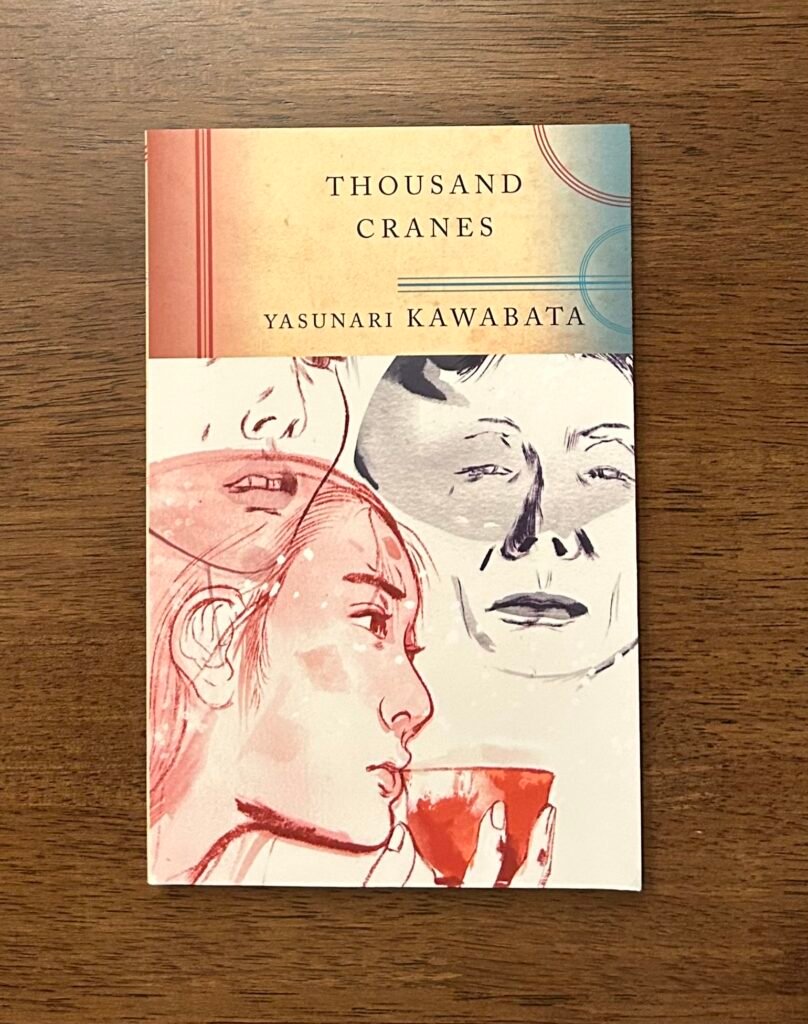
“Thousand Cranes” spends a short period of time with a young bachelor, Kikuji, after the death of his mother and while a marriage is being arranged for him by his father’s former mistress, Chikako. Chikako, effectively a stand-in for a parent, tries to shape Kikuji’s life to resemble his father’s in lifestyle and dedication to the tea ceremony (largely alluded to through the repeated use of inherited tea bowls). However, Kikuji falls in love with his father’s second mistress and then her daughter.
Tensions arise as Kikuji becomes his father’s surrogate for the continuation of conflict between two mistresses. However, this is not a dramatic novella about the tensions themselves but rather about several people trying to live through nostalgia and find some continued meaning in past conflict now that the object at the center of the conflict is gone.
I didn’t enjoy this as much as “Snow Country” which was really very good and a little more subtle at times (although it also focused on relationships with mistresses). So maybe “Sound of the Mountain” at some point when I come across a copy.
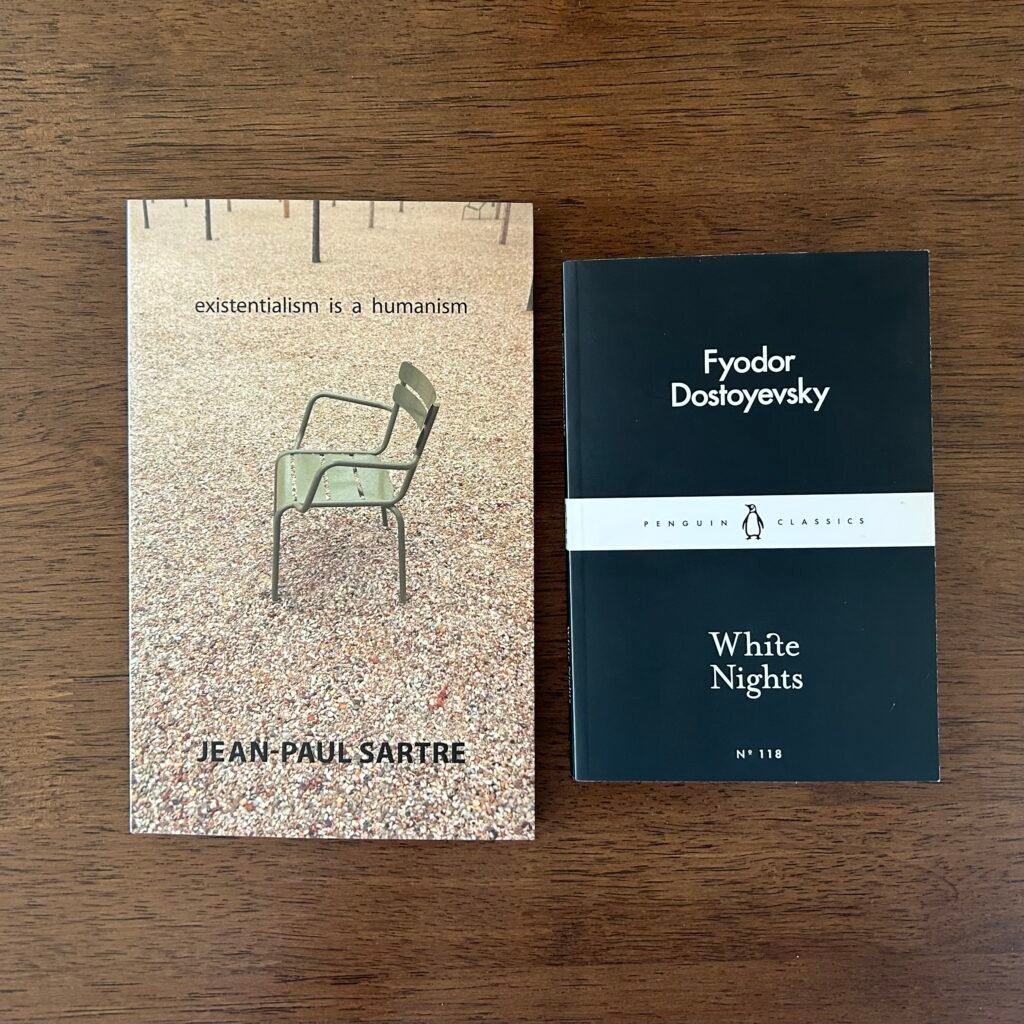
Based on many popular responses to “White Nights,” misunderstanding existentialism remains as common as it was when Satre delivered his lecture “Existentialism is a Humanism.”
“White Nights” is often discussed as a novella about loneliness and the redemptive power of love to wake a person from complacence. (Or about how the good guy ends up alone, to some). But really this is a story of an unnamed man wasting away in sad conditions while distracting himself with his studies. He expects that the perfect woman will appear for him and she does–only she’s waiting on the return of a man she intends to marry. The narrator expects things to go his way as if their relationship is fated to occur. But, having spent all of his time dreaming rather than living, his idealism sets him up for disappointment and stagnation.
Satre here explains to a general audience that the essence of existentialism is that “existence precedes essence,” or that things happen and then we must give meaning to them. He posits that we are burdened by choice but to avoid choice (or action) is to avoid reality. While he placed Dostoyevsky as a “Christian existentialist” (maybe so with his later works, e.g. “The Idiot”) Dostoyevsky is secular in “White Nights” where the narrator is unable to create the life he wants because he is overcome with inaction and the desire to avoid choice by “living” only through his studies that require limited choice or risk.
Both works are existential calls to action denying that reflecting on all that happens and everything wrong with the world will get us anywhere.
How can I review what is maybe the best novel ever written?
This gigantic novel is overflowing with humanity and life from the most wretched places.
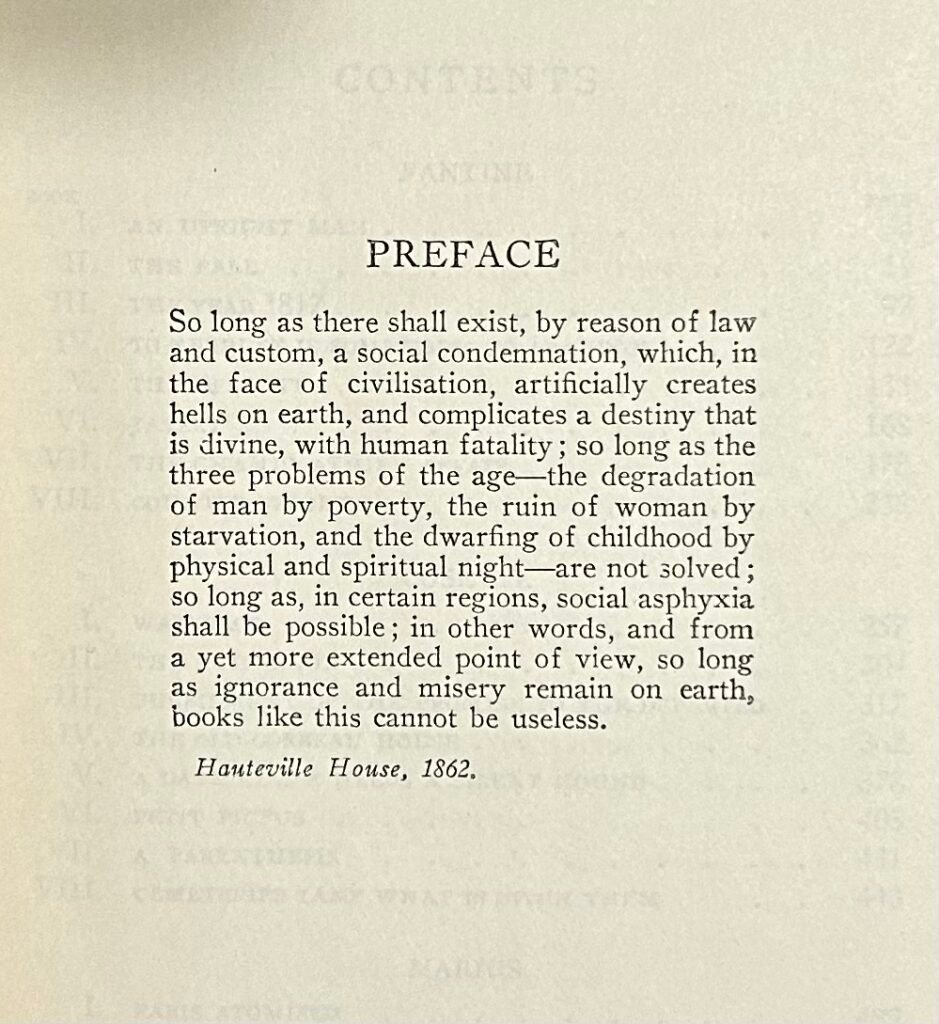
In contrast to the movies (and musical?), the book provides Hugo’s politics and religion for 1,200 pages. This novel focuses on backstory or social environment leading to the French Revolution (with plenty of commentary on the American, including John Brown’s revolt). The movies includes most of the major plot points but miss the point of the novel–the social commentary on religion, criminal justice reform, and political economy. The films largely lack the depth of feeling and conflict that Valjean experiences at nearly all points (the Bishop, the Campmatheiu affair, leaving the convent, giving up Cosette, etc.). This is maybe the most pertinent example of movies lacking the depth of the novel. This is a very ethical novel which is missing from the movie.
Hugo spends a large amount of the 1,200 pages talking about religion, criminal justice reform, and economic policy. While the movies focus on Javert vs. Valjean, a relatively minor plot point which culminates in Valjean’s forgiveness.
In the end, this is a novel brimming with humanity and forgiveness. It provides a masterclass of pacing and tension building with interest rising throughout the novel. Valjean is a rich protagonist who faces constant moral dilemmas but always with a remembrance of Myriel.
This is a gigantic novel that is completely worth the time.